Outdoor cooking / less bulk / better preparation

The packable cooking field guide

A smaller kit. A proper outdoor meal.

Start with what you want to eat and what you can carry. Then choose the heat, cookware and working space that make sense outside.

Build your cooking setup
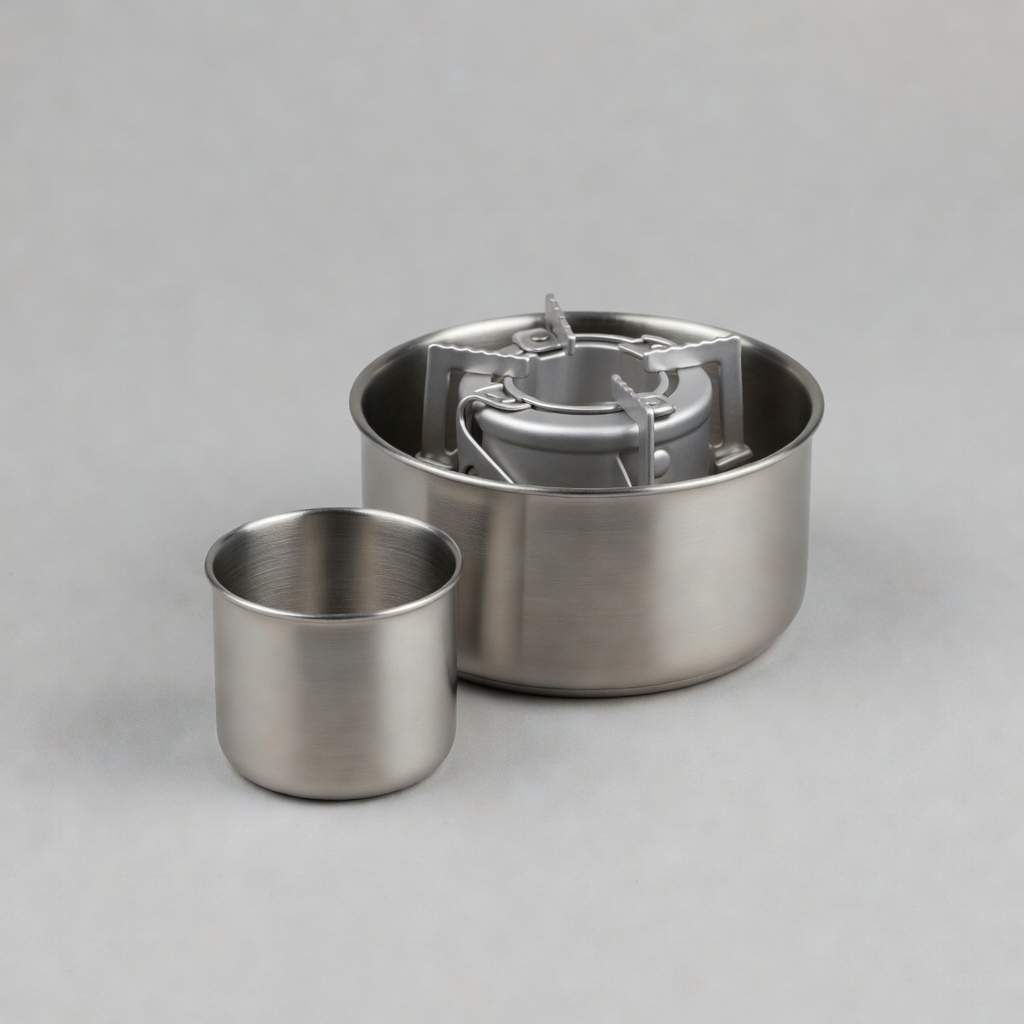
Illustration of a compact nesting pot, folding stove and cup under soft studio lighting
Equipment illustration · A packing concept, not a tested product.

01 / Choose the job

Start with the meal — choose a cooking task

A water-only kit and a fresh-food kitchen solve different problems. Pick your task before adding equipment.

02 / Portable heat

Heat without the bulk — compact stoves and appliances

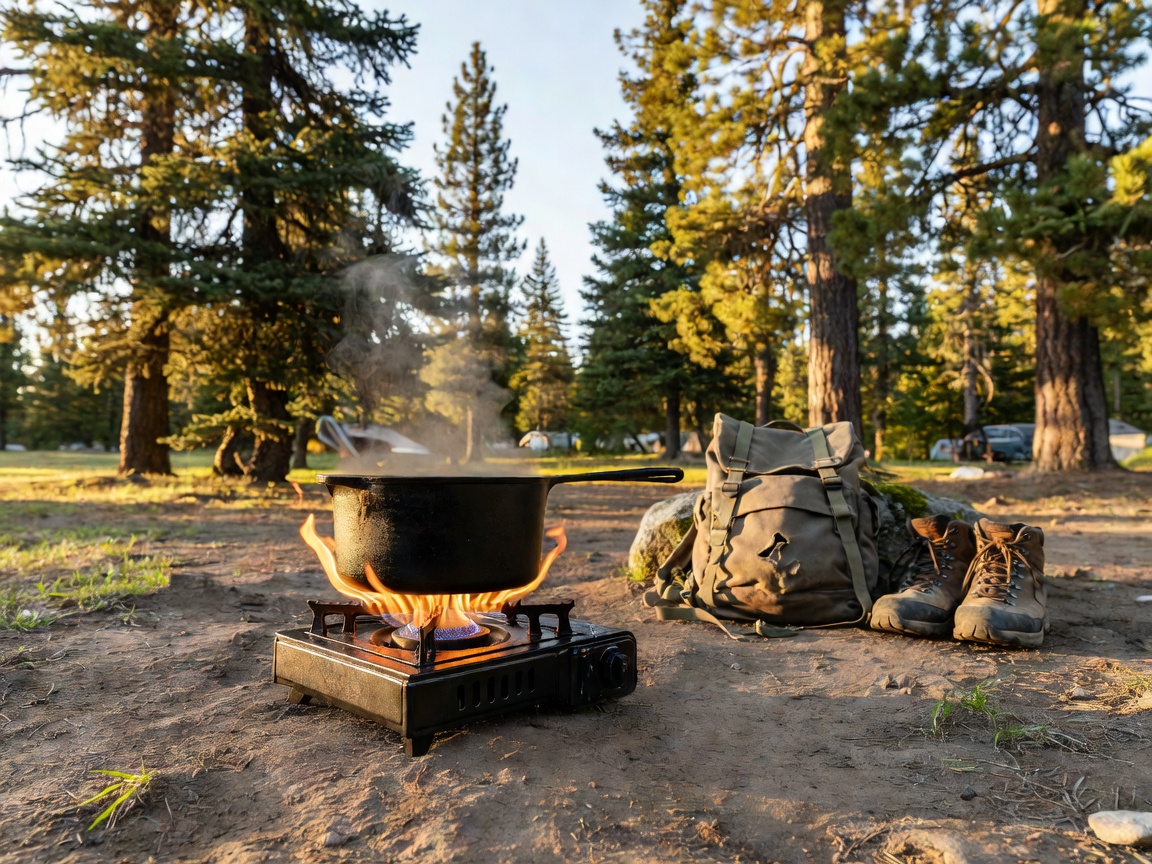
A cooking pot on a compact stove in an open outdoor campsite

Match the burner to the pan, not the marketing.

Integrated systems suit water-focused meals. Wider burners and supported pans can make real cooking easier. Neither removes the need for fuel planning, ventilation and a level pitch.

Choose a compact heat source
FuelCheck local supplyPan supportCheck compatibilityWeatherPlan a fallback
03 / Sunlight as fuel

Let daylight do the work — portable solar cookers

No carried combustion fuel during use, but sunlight, safe temperatures and patient timing still matter.

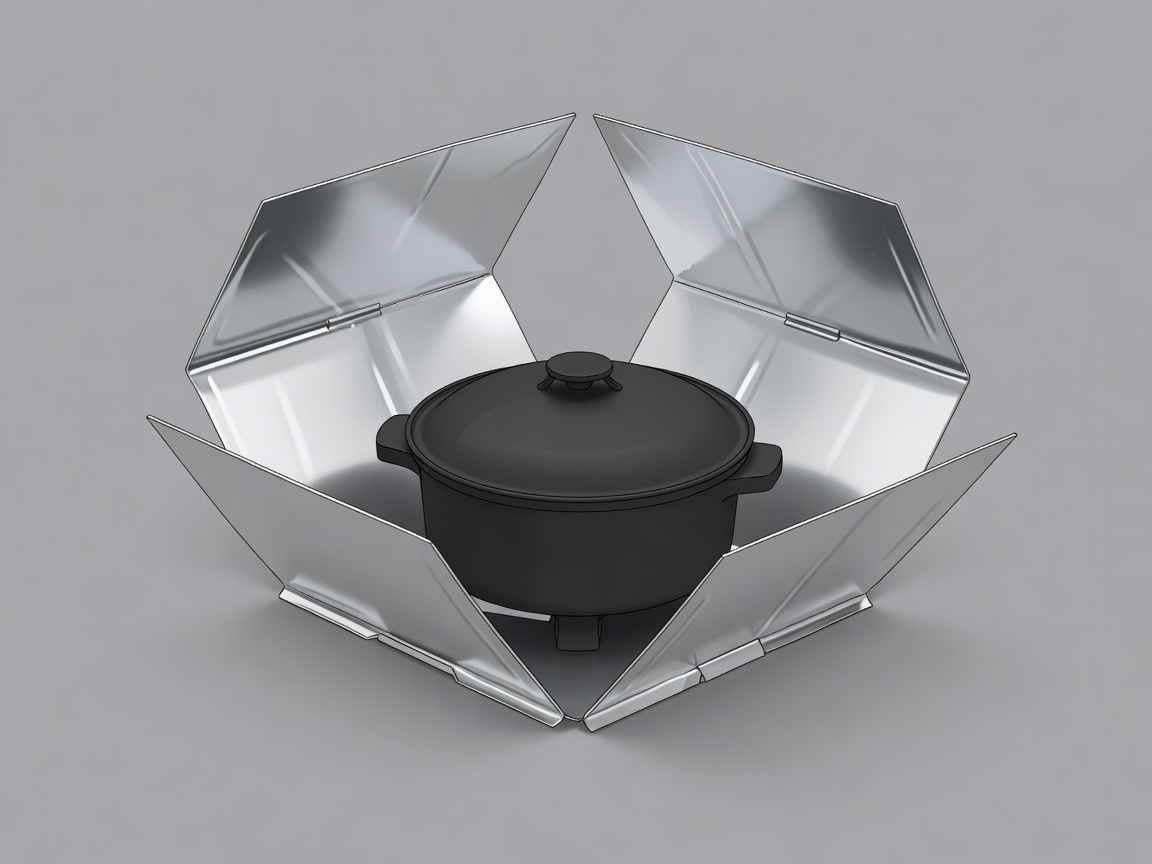
Illustration of a folding reflective solar cooker with a covered dark cooking pot

Panel · box · tube · concentrator

Different designs, different compromises.

Compare packed shape, aiming, glare and food access before choosing a design.

Understand portable solar cooking

Field rule

Carry less by asking more of each piece.

A pot can store the stove. A stable lid can cover food. But a sharp knife still needs a sheath, and fuel does not belong loose beside ingredients.

04 / Working space

Fold away the kitchen — collapsible preparation equipment

Pack flat. Work on something solid.

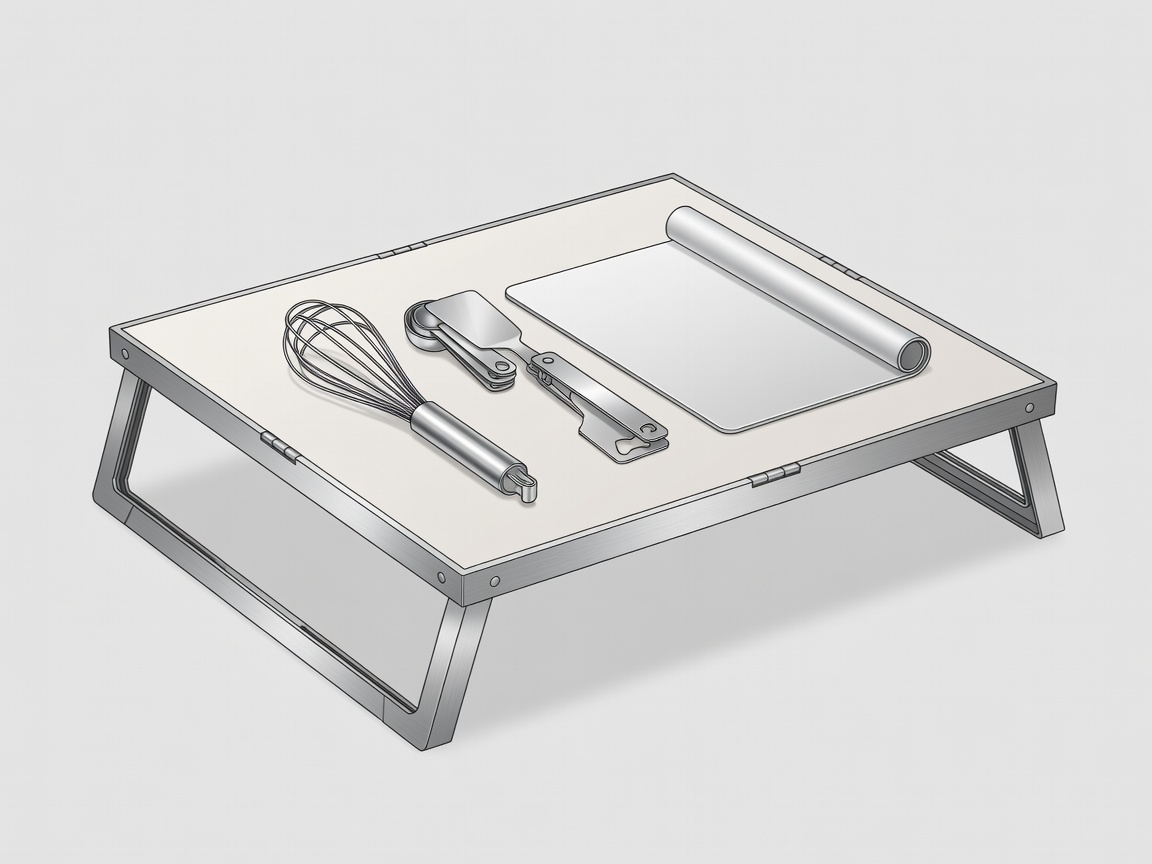
Folding worktops, nesting utensils and collapsible washing bowls can reduce awkward empty space. Check locks, heat limits and cleanability before giving them a place in the bag.

Choose preparation tools
SurfaceStable and washableJointsAccessible for cleaningStorageDry before packing
Illustration of a square-edged folding camp worktop with compact preparation utensils

05 / Put the pieces together

Build a workable pitch — complete outdoor setups

Separate clean preparation, heat and washing. Keep exits and walking routes clear.

The walking kit

A compatible burner and pot, a spoon, measured ingredients, drinking water and a safe fuel plan. Keep the menu simple enough to cook in one vessel.

Plan a walking kit

The base-camp kitchen

A stable stove, separate prep surface, cooler and wash system. More carrying capacity should buy safer workflow, not a pile of unused gadgets.

Plan a base-camp kitchen
Before unpacking: check the pitch

Read current fire restrictions, find a stable noncombustible cooking position and check wind and overhead clearance. Never use a combustion stove inside a tent, enclosed vehicle or other enclosed space.

06 / Choose deliberately

Know the trade-offs — equipment comparison

Qualitative comparison only. Actual capability depends on the specific equipment, instructions and conditions.
SystemUseful forMain compromiseCheck first
Integrated canister stoveBoiling waterCookware flexibility may be limitedApproved pot and fuel compatibility
Remote-canister stoveSupported pans and broader cooking tasksMore separate parts and fuel-line careAllowed operating orientation
Solar cookerFlexible daytime cookingSun and weather dependenceDesign limits and food temperature
Battery applianceSites with a suitable power supplyBattery mass and energy demandRated power, energy and outdoor suitability

07 / Before you leave

Sort the details before packing — FAQ preview

Can I use a camping stove in a tent porch?

No. Combustion stoves create fire and carbon monoxide risks. Use only in an open outdoor location that meets the manufacturer's clearances, away from tents and shelter fabrics.

Will a solar cooker replace my stove?

Only if its sunlight dependence and cooking limits fit your trip. When a hot meal is essential, carry a permitted alternative or a safe no-cook meal.

What should I compare besides equipment weight?

Packed shape, fuel supply, stability, cleaning, weather limits and the full weight of everything required to use it.

Read all practical questions